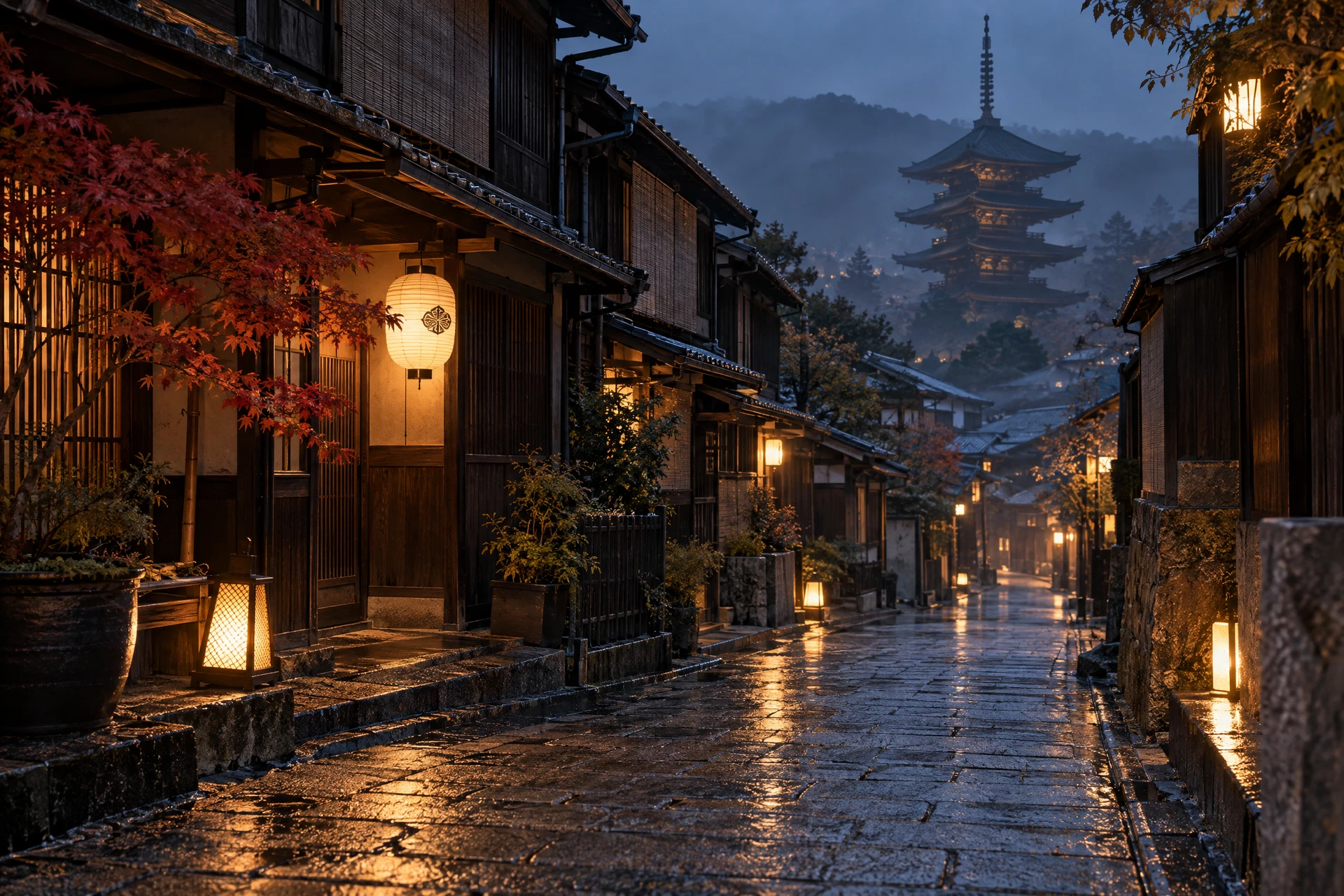
Kyoto before the tour buses
Overtourism has changed Kyoto's relationship with its own streets. The alternative is not to skip the city, but to move through it differently.
Every new piece from Kakada Note, in the order our editors published it — reporting, analysis, explainers and practical guides.
Overtourism has changed Kyoto's relationship with its own streets. The alternative is not to skip the city, but to move through it differently.
Advanced packaging and high-bandwidth memory have become the quiet limits on how fast AI systems can be built. The solutions are industrial, not just technical.
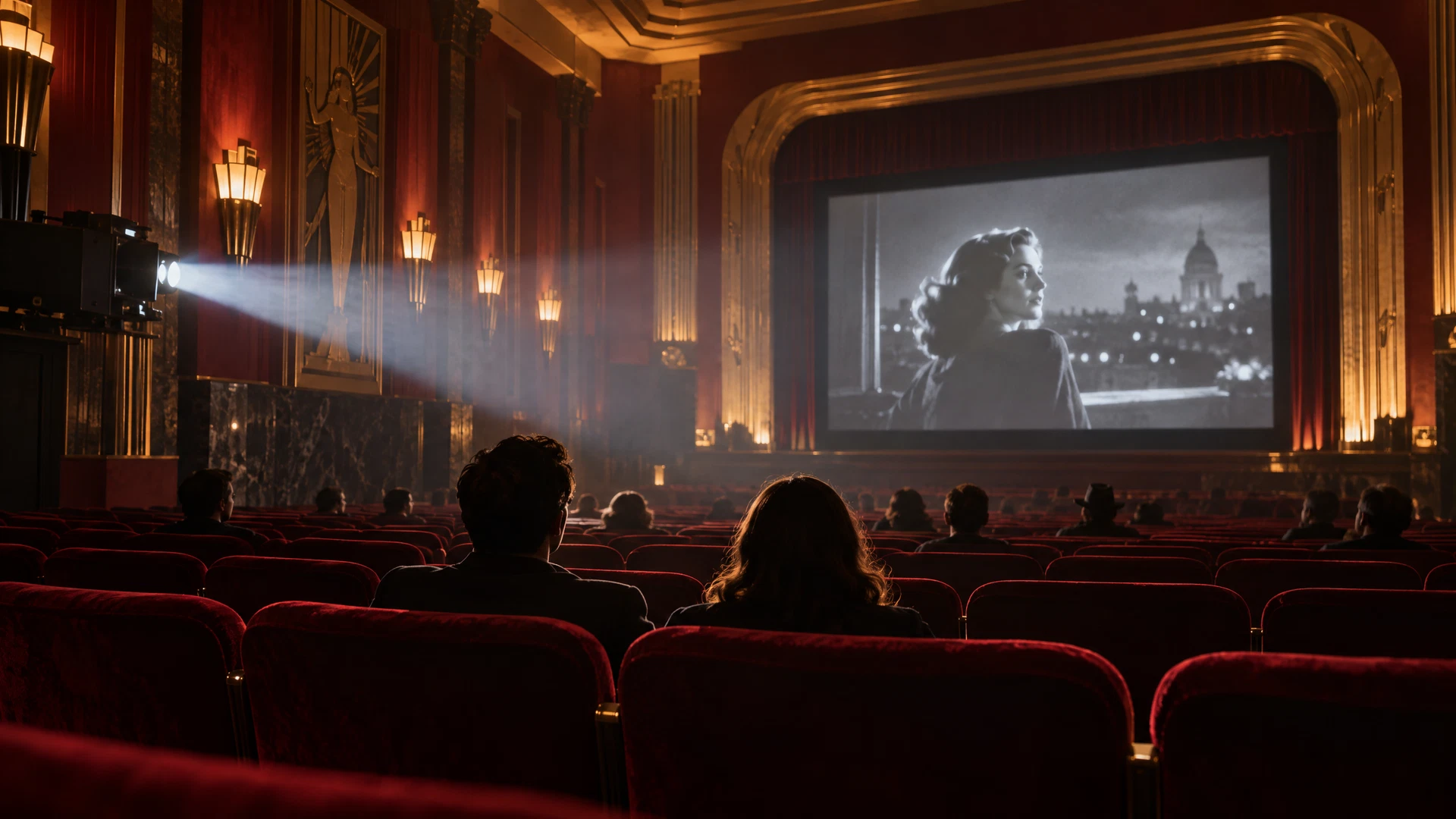
Long films are back in cinemas, with intermissions, premium formats and a business model that depends on making the trip feel worth it.
Small workshops are the connective tissue of industrial economies. Their succession problem is less discussed than the factory of the future, and more urgent.
Phone bans are popular and easy to announce. Making them work requires consistency, storage and a plan for the lessons that used to rely on a screen.
Stadium tours are selling out while grassroots venues close. The live music economy is becoming more concentrated, and less resilient.
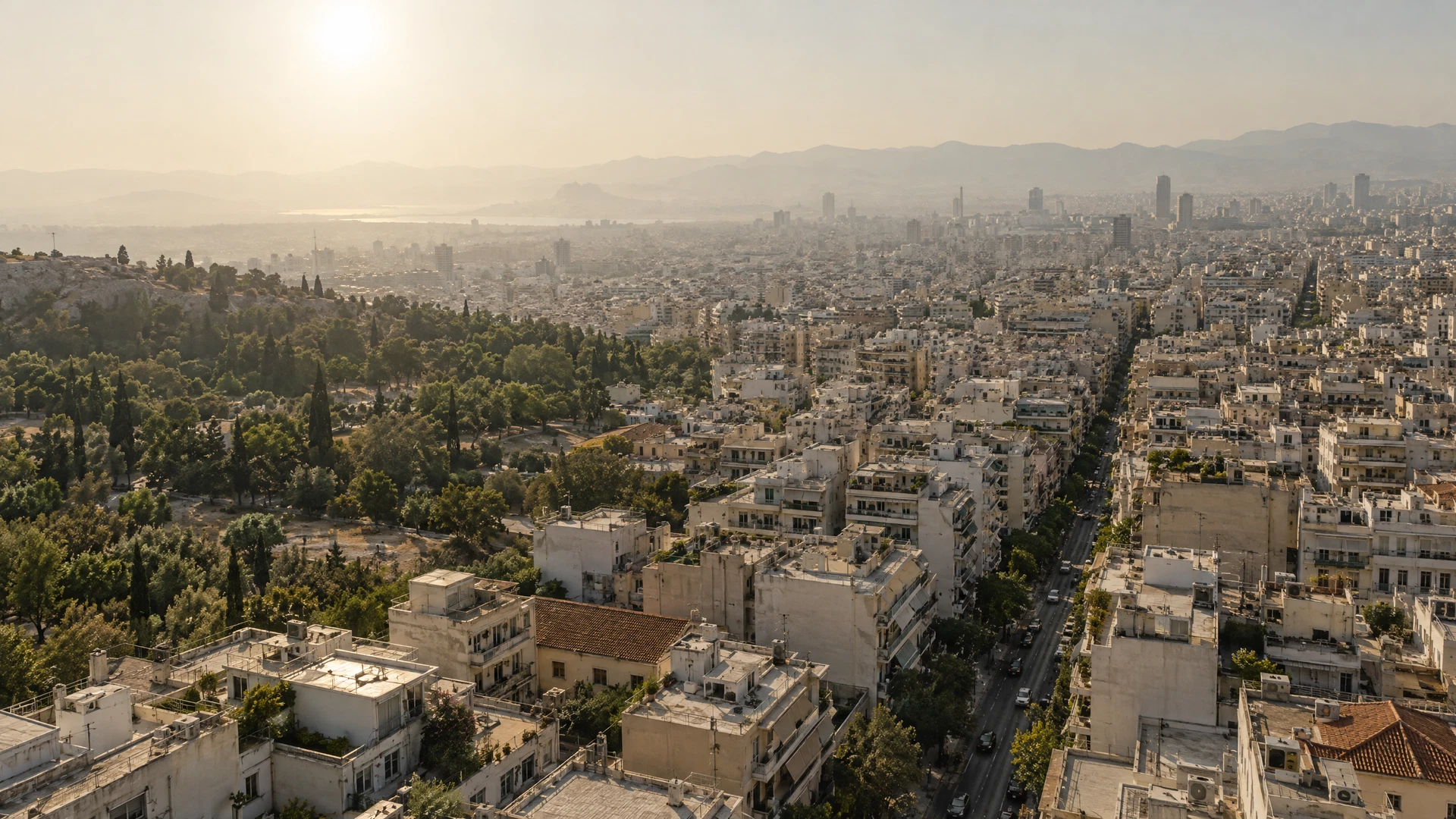
Urban heat is unevenly distributed, and so is the ability to escape it. Cities are starting to measure the difference — and to discover who is exposed.
A market forces decisions. That is why it remains the best place to learn how to cook — and how to waste less.
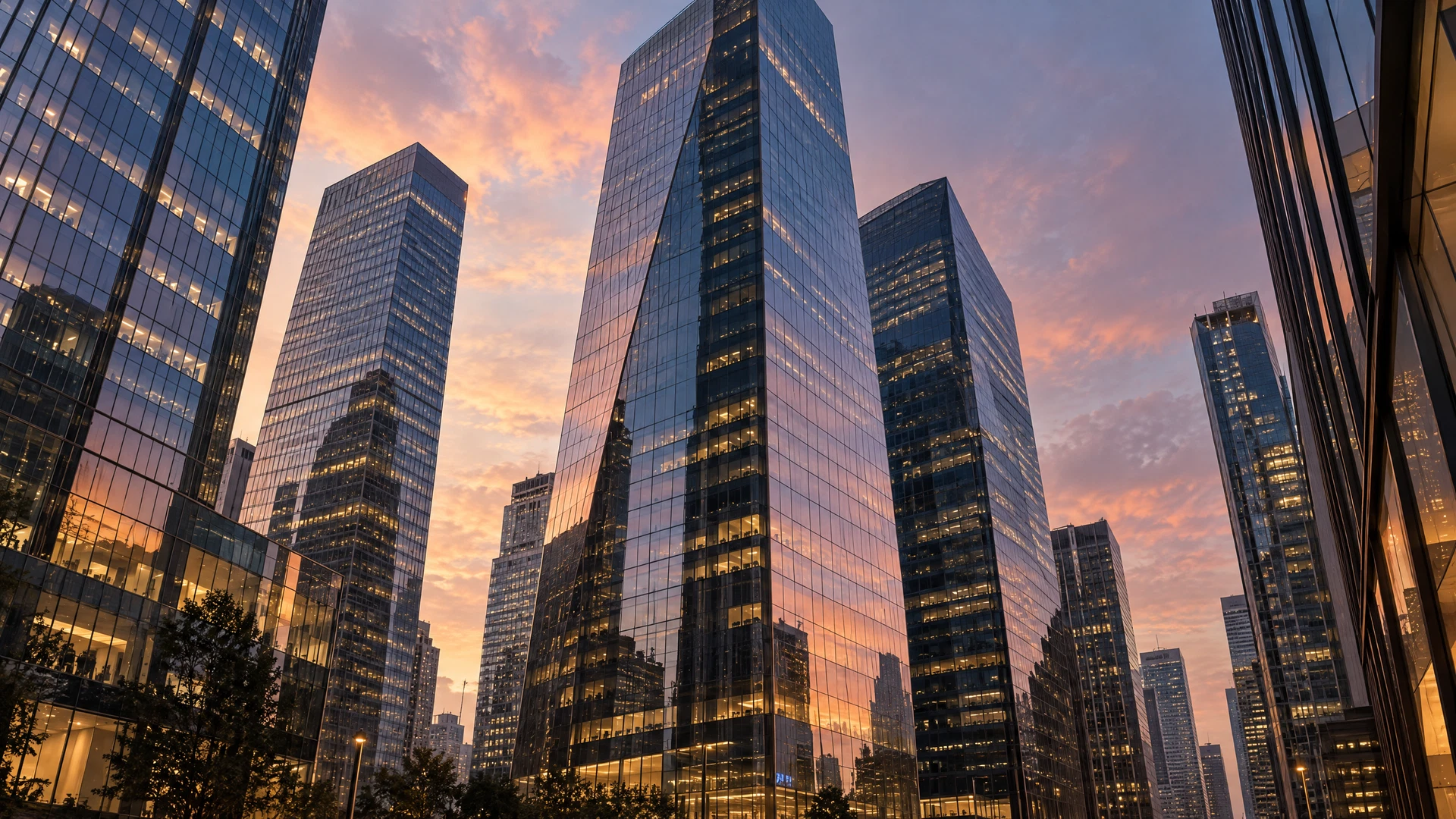
Hybrid work has not emptied city centres, but it has changed what tenants want and what landlords can charge. The adjustment is only beginning.