In this story · 4 sections
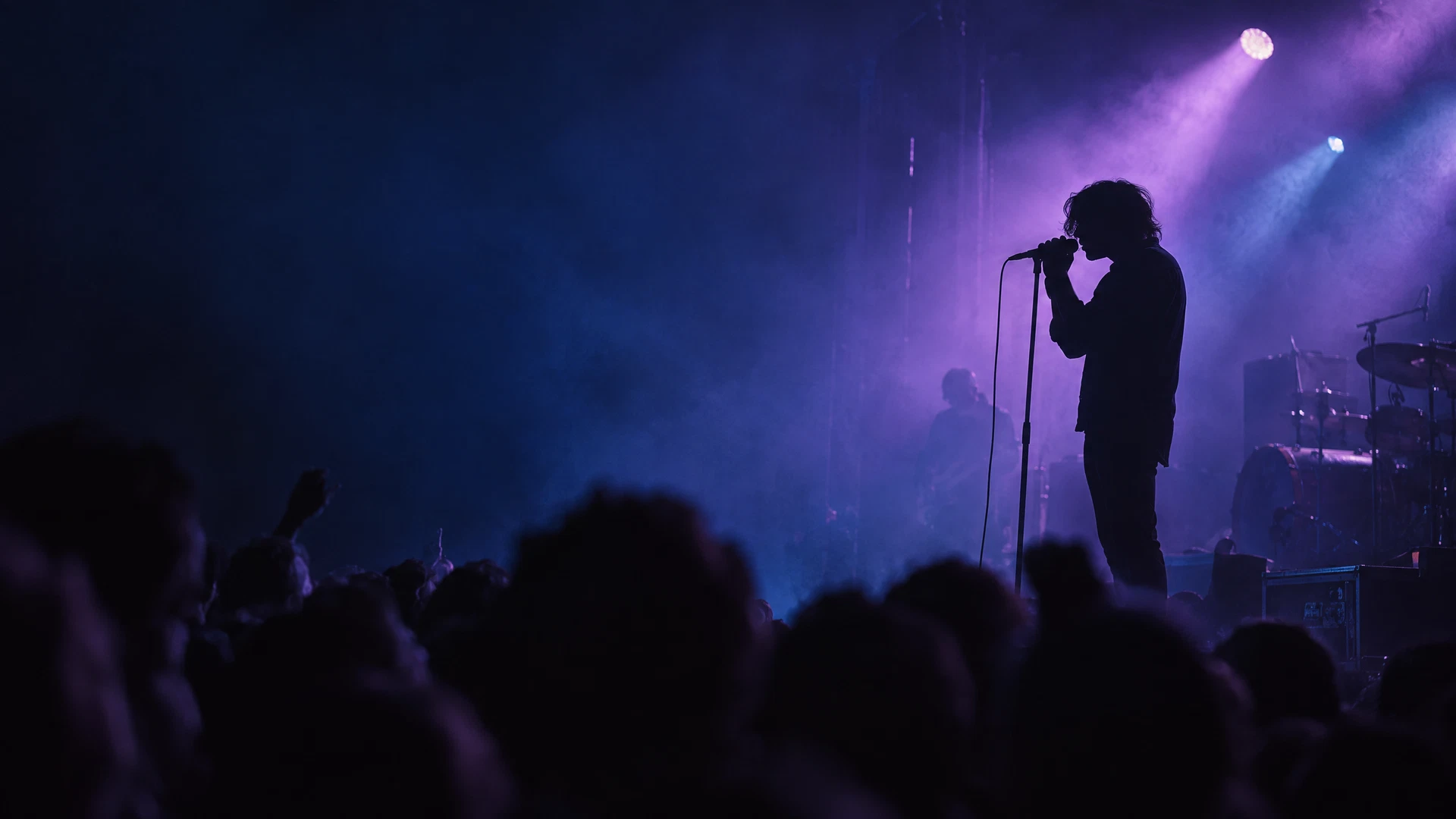
The headline is that live music is back. Stadium tours sell out, festivals report record attendance, and ticket revenue has recovered faster than almost any other part of the entertainment industry.
The second headline is less visible. The small venues that allow artists to become big enough for stadiums are closing.
The pipeline problem
An artist’s career usually begins in rooms with a capacity of 100 to 500. Those rooms carry the cost of sound equipment, staff, insurance and rent, and they do it on ticket sales that are sensitive to price.
When costs rise, the margin disappears. A venue can sell every ticket and still lose money on a Tuesday.
The stadium is the top of the pipeline. The small venue is the pipe.
Ticketing and pricing
Dynamic pricing has become normal for large tours. It maximises revenue and generates headlines about four-figure tickets. For small venues, the equivalent is a door price that has not kept pace with costs because audiences are price-sensitive.
The result is a widening gap between the top and the base. Artists can earn more from a single arena show than from a month of club dates, which changes the kind of career that is financially viable.
Analysis
Who develops the artist
Labels once funded artist development. Streaming shifted the economics. Live music is now expected to do the work of building an audience, but the venues that host that work are the least capitalised part of the chain.
What helps
Some cities have introduced venue funds, business-rate relief or noise-complaint mediation. Others are using empty retail space for temporary venues.
The most effective interventions are modest: help with rent, a faster licensing process, a fund for soundproofing. None of them solves the structural problem, but they keep the pipeline open.
The audience’s role
Audiences can choose where to spend. A ticket to a small venue is a vote for the ecosystem that produced the artist you love. It is also a better night out than a stadium for many people.
The concert is back. The question is whether the rooms that make it possible will be there next year.


Join the conversation
0 commentsNo comments yet. Add a considered thought — comments are moderated by the editors.