In this story · 4 sections
A three-hour film used to be a scheduling headache. Fewer screenings, longer cleaning windows, a audience that might not return for the late show. Streaming made the runtime problem disappear: you can pause at home.
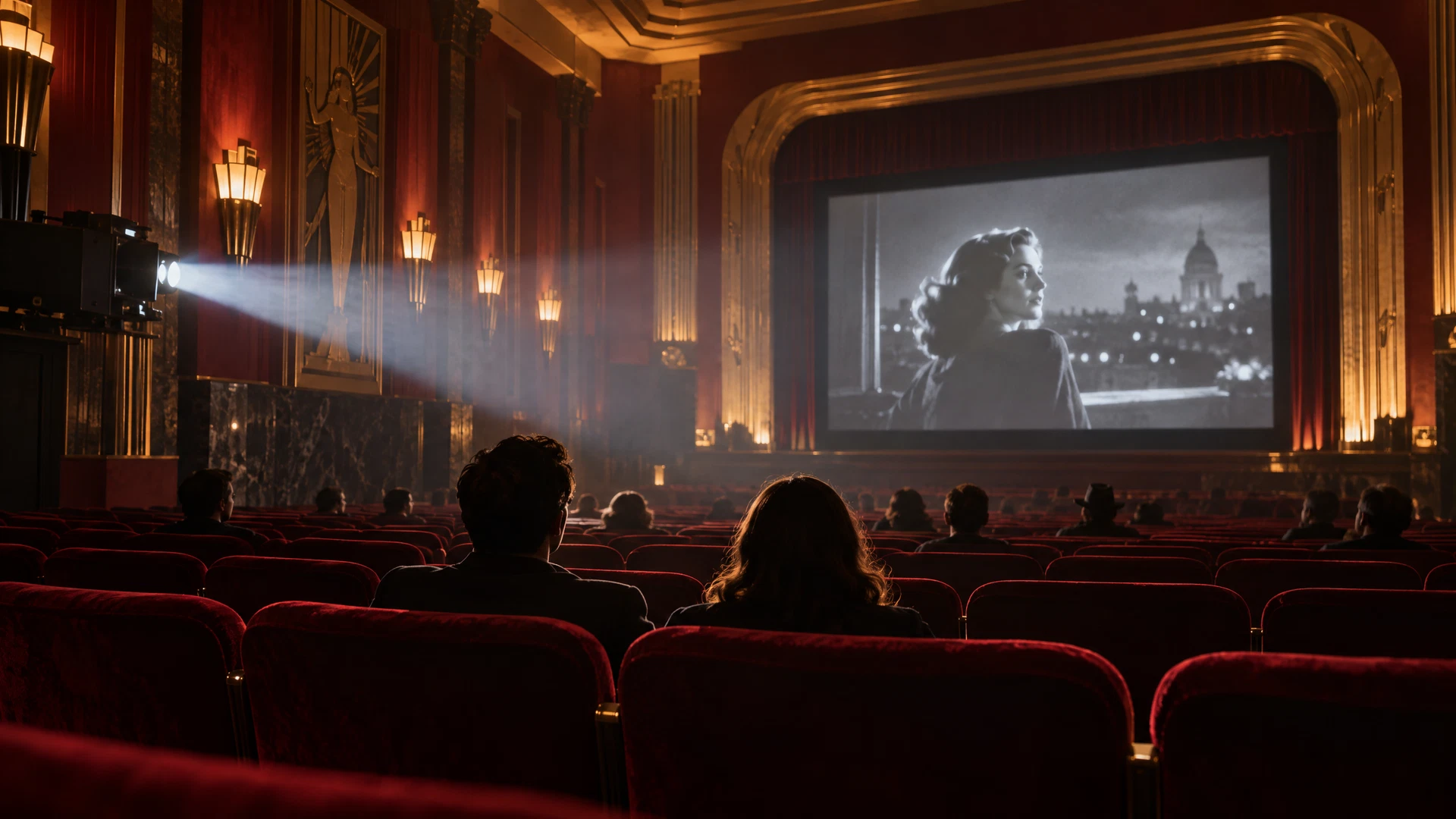
Cinemas have responded by making the length part of the offer. The long film is being sold as an event, with premium screens, reserved seating and, in some markets, a return of the intermission.
The economics of scarcity
A cinema makes money per seat, per screening. A longer film reduces the number of screenings per day. To compensate, exhibitors need higher prices or fuller rooms.
The long film works when it fills the room. That is why the format has become associated with large-format screens and limited runs: the audience is self-selecting, and the ticket is priced accordingly.
A film that demands three hours is asking for a commitment. Cinemas are learning to sell commitment as a luxury.
The intermission question
Intermissions solve a practical problem and create an aesthetic one. They break the director’s rhythm. Some filmmakers hate them. Audiences, particularly older ones, often appreciate them.
The compromise is a curated break: a fixed interval, a drink pre-order, a short film or a score performed live. It turns the pause into part of the evening rather than an interruption.
Analysis
The streaming counterfactual
The long film is not competing with a short film. It is competing with a series, a game, a phone. The cinema’s advantage is not the screen alone; it is the absence of alternatives for three hours.
What it means for smaller films
The risk is that the long film becomes another premium product, available only in cities with the right screens. Smaller films, already squeezed, may find it harder to get a slot.
Some independent cinemas are responding with repertory programming: long films shown once, as an event, with a conversation afterwards. The model is closer to theatre than to multiplex scheduling.
The audience
The people buying tickets for long films are not necessarily film obsessives. They are people who want an evening that feels different from the sofa. The length is a feature because it makes the choice explicit.
Cinemas are not competing with streaming on convenience. They are competing on attention. The long film, handled well, is the purest version of that bet.


Join the conversation
0 commentsNo comments yet. Add a considered thought — comments are moderated by the editors.